
Home
Elevator
&
Accessibility Specialists
Since 1995
Welcome to Premier Lift Products, Inc.
We are a regional accessibility company serving Minnesota, Northern Iowa and Western Wisconsin

Premier Lift Products, Inc. is one of the most experienced companies in Minnesota specializing in the sale, service and installation of accessibility equipment. Our founder and CEO has been in the industry since 1984.
Accessibility Equipment and Home Elevators are complex systems that are only as good as the experience and professionalism behind the installation. Our attention to detail, experience and commitment to quality over those many years have gained us an excellent reputation as one of the leaders in the industry. We look forward to helping with your accessibility project.
-
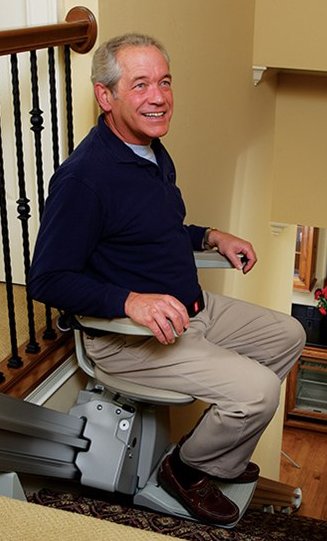
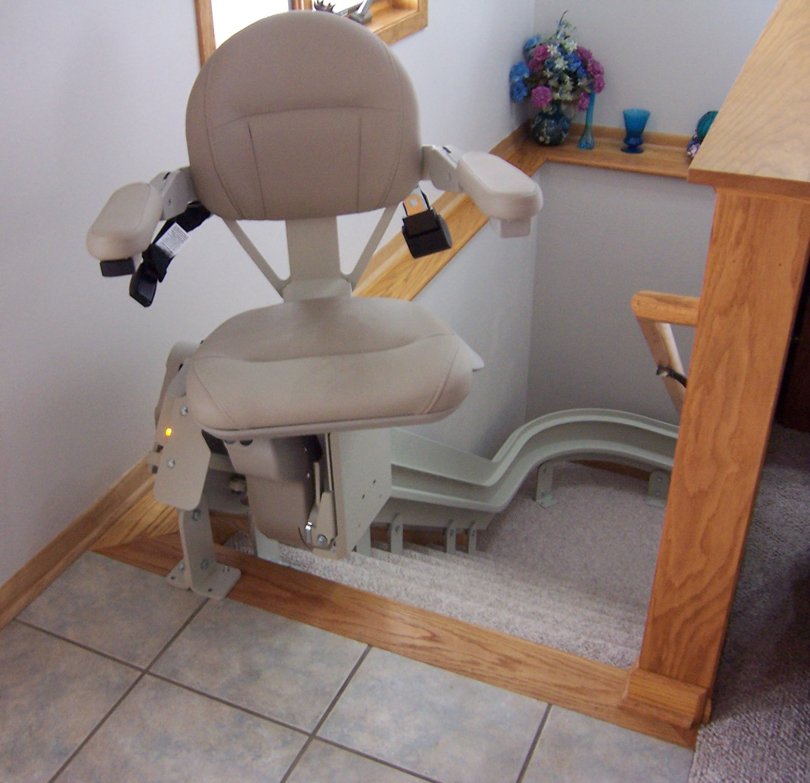
Do You Have Difficulty Climbing Stairs? Consider a Stair Lift
Do you or a loved one need help getting up and down the stairs? Stair lifts are a wonderful option. They are a device, sometimes called a stair-chair or stairway elevator, that is installed so a person can be safely carried up and down the stairs. Many times, a stair lift can be the reason someone is able to stay in their home. Call today to learn more!
See Gallery See More -

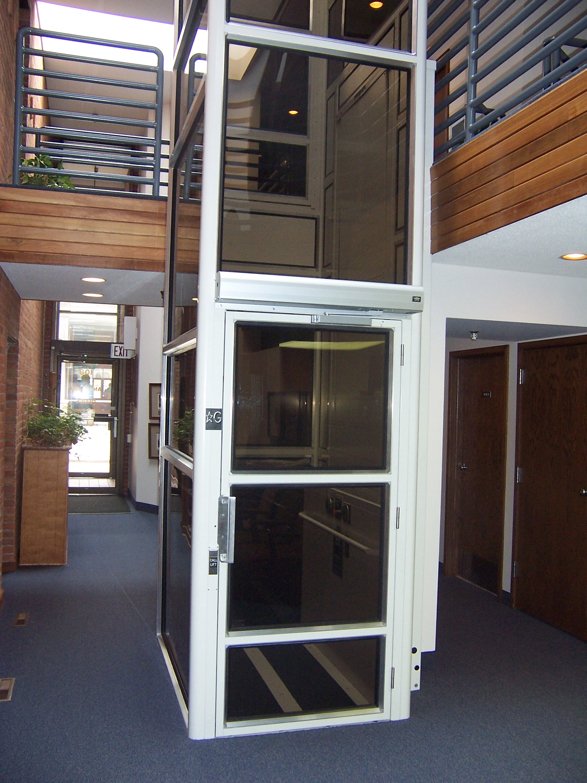
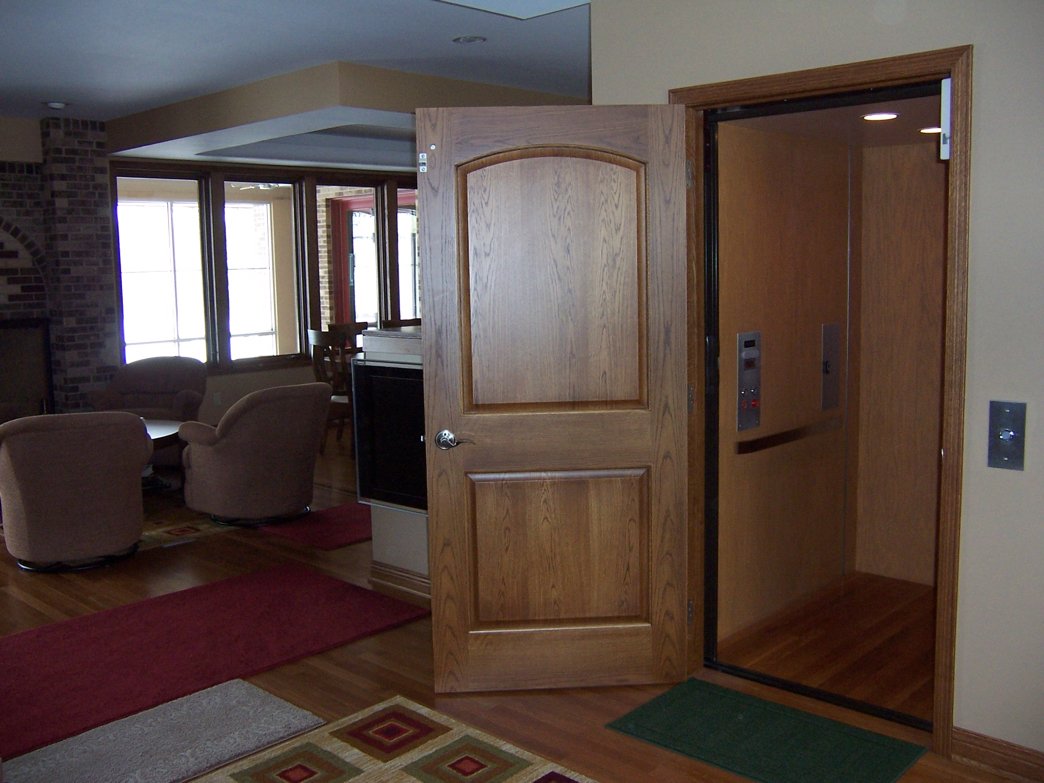
Make Your Life Easier and more Convenient with a Home Elevator
At Premier Lift Products, Inc. Home elevators are our specialty – Nobody does it better! Whether for a new or existing home, a home elevator can be a great, functional investment by adding flexibility, value and security to your home. No matter what your needs, we can help make your home more accessible. Most importantly, a home elevator helps make your home a “Home for Life” allowing you to stay in your home as you age or even if you become disabled Please call us today to discuss your questions or concerns.
See Gallery See More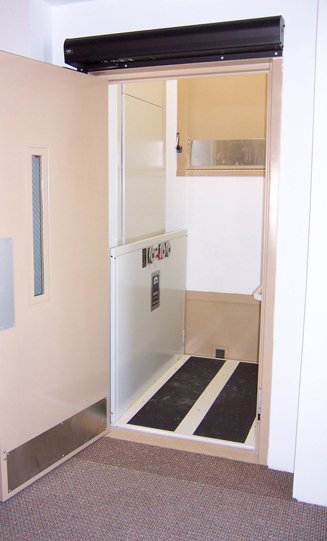
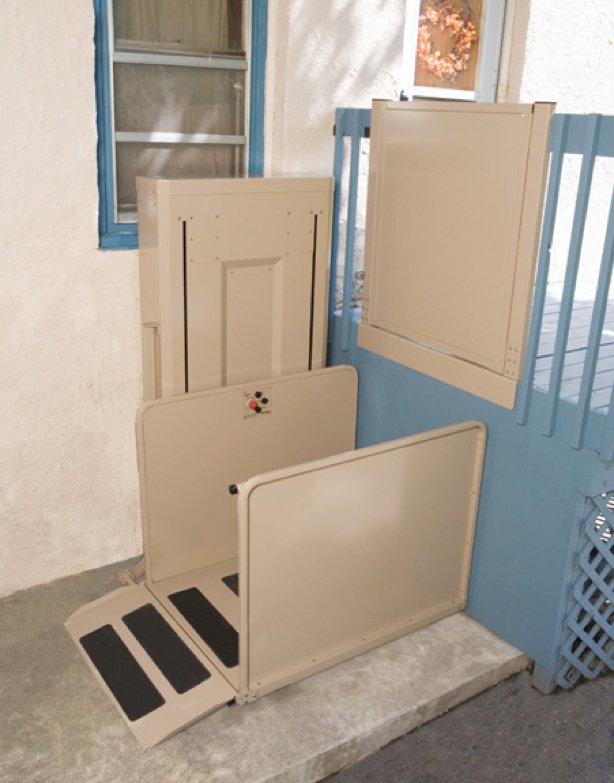
Wheelchair Lifts for Home or Commercial Applications
At Premier Lift Products, we understand how difficult life with a wheelchair can be. We offer the highest quality wheelchair lifts for both commercial and residential applications. Our experienced and knowledgeable team knows the laws and codes that apply to these lifts and can help you design a layout that works for you as well as being code compliant.
See Gallery See More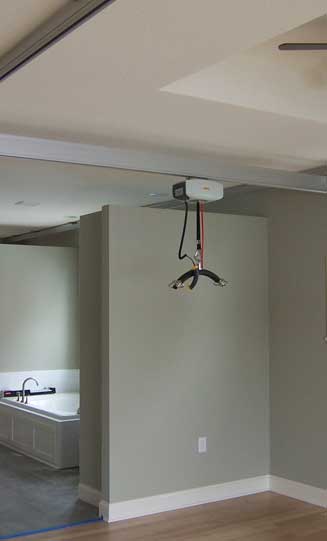
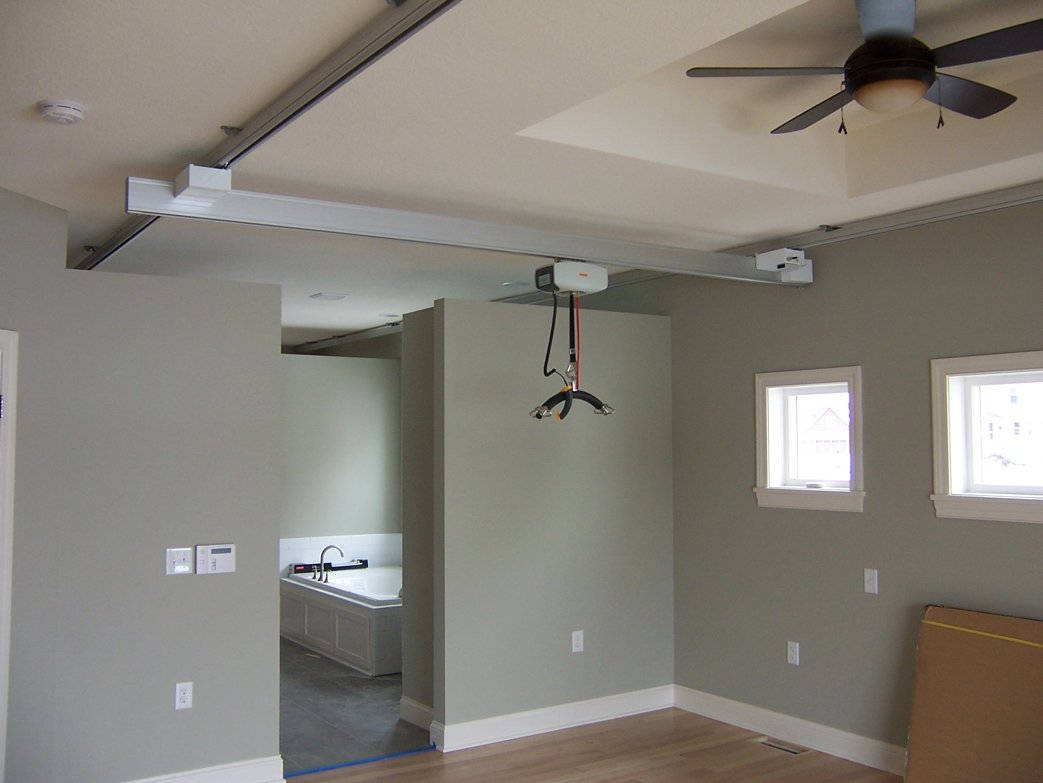
Improve Your Quality of Life with a Patient Transfer System
Ceiling track patient lifter systems allow for easier, safer transfers for both the client and the care givers. Each custom installation is specifically designed to fit your home or care facility. We offer a wide selection of ceiling lift products and slings to fit your needs. Make your life easier with a patient transfer system professionally installed by our experienced team.
See Gallery See More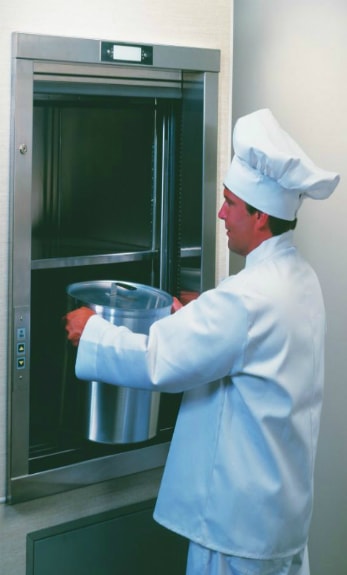
Save Time and Effort with a Custom Dumbwaiter or Material Lift
Need assistance moving things up and down? At Premier Lift Products, we offer a wide selection of custom dumbwaiters and material lifts. From residential to commercial or industrial, we can help with your material handling needs. We can install almost any configuration or style, whether for light, medium, or heavy duty. Call us today to discuss your specific project!
What Our Customers Say
"I am very pleased with the residential elevator installed by Premier Lift. It not only works well, it is esthetically pleasing. The staff at Premier Lift were very helpful in recommending finishes and options to integrate the elevator into the overall home design. The safety devices, in-person troubleshooting training by the technician and the supplemental instructional materials left behind should ensure few to no problems in future use. Premier Lift did all the work without the need for supervision and met all timelines required for installation and inspection. Communications were easy and effective, by both phone and email. I would recommend Premier Lift as a supplier to any homeowner interested in a residential lift device."
Read MorePremier Lift Products
Owatonna, Minnesota 55060
MN Elevator Contractor License #CE00130
Telephone: 507-444-9802
Toll Free: 800-373-9802
Fax: 507-444-9803

BBB Rating: A+ as of 5/3/2016
Click for Review